Lobuche Peak climbing mountain landscape
Nepal Region

Lobuche Peak Climbing

Difficulty Challenging
Duration 18 Days
Max. Altitude 5,555 m/18,225 ft
Best Season Mar-May, Sep-Nov
Lodging & Meals Tea House & Hotel

Lobuche Peak

A popular trekking peak for climbers who want more than a normal trek and are ready for a proper high-altitude summit day.

Lobuche Peak Climbing is usually done on Lobuche East, which rises to 6,119 meters. It is a good choice for people who already have strong trekking fitness and want to try a more technical Himalayan trip with guides and climbing support.

The journey starts on the classic Everest trail. You pass through Lukla, Namche Bazaar, Tengboche, Dingboche, and Lobuche, which gives you time to acclimatize and enjoy the Khumbu before the climbing section begins. That approach is a big part of why the trip feels special.

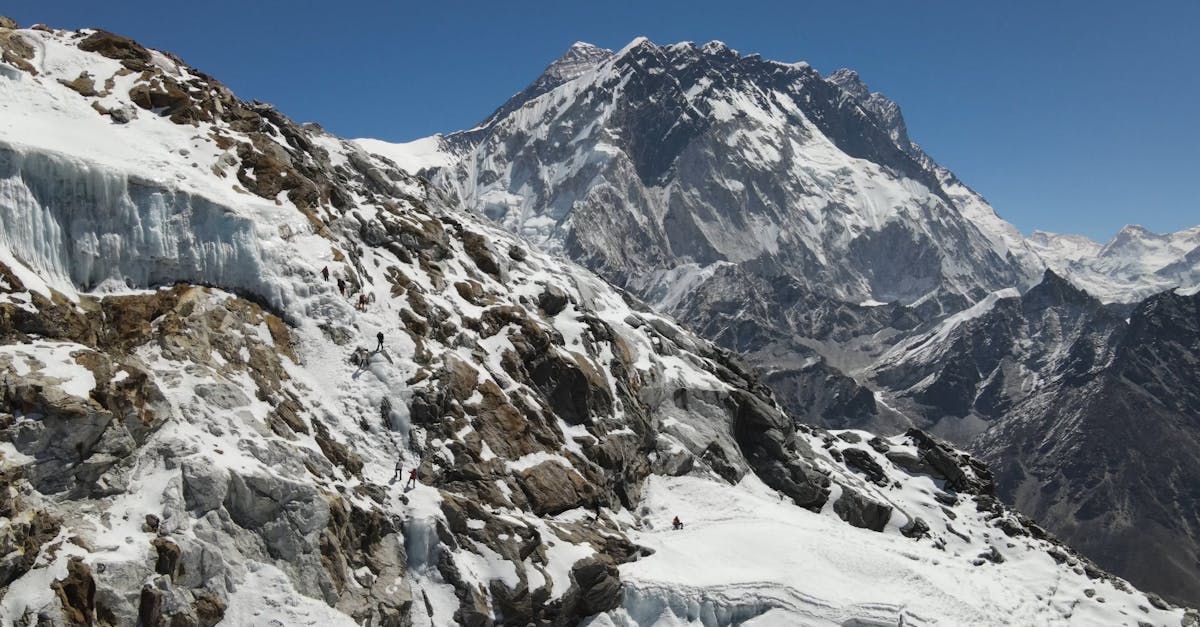
The summit climb is more serious than a normal trek. Depending on conditions, you may use crampons, fixed ropes, harness, helmet, and ice axe. It is not the hardest mountain in Nepal, but it should still be taken seriously. Good pacing, good weather, and proper acclimatization matter a lot.

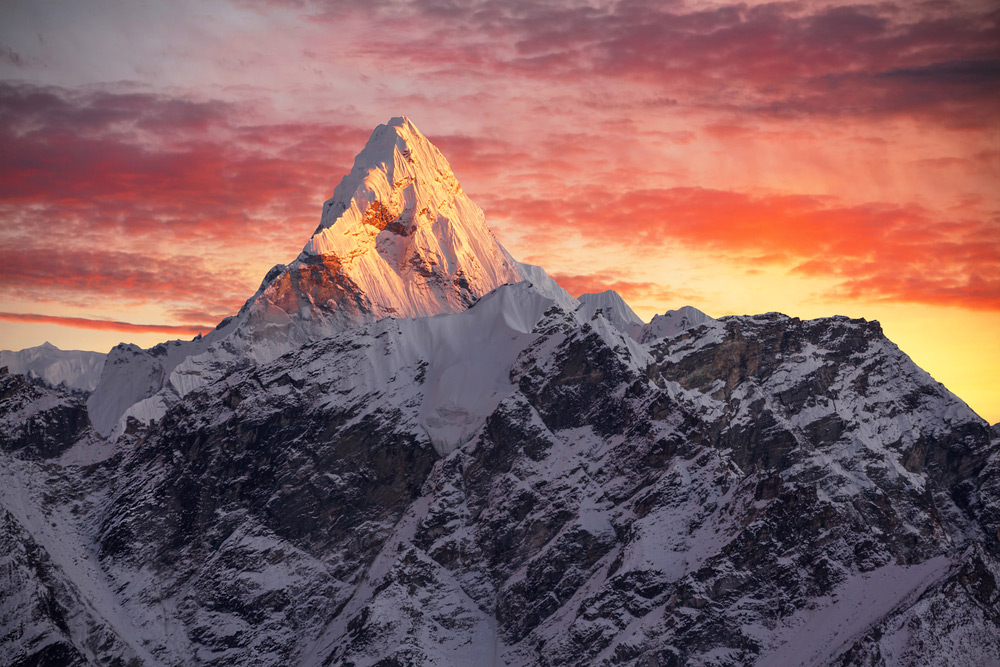
Many climbers choose Lobuche because it gives a real feeling of expedition-style climbing without the long commitment of a major expedition. On summit day, the views toward Everest, Lhotse, Nuptse, Ama Dablam, and the Khumbu glacier area are the reward for all the effort.

Lobuche Peak Climbing landscape view
Signature Experiences

Expedition Highlights

01

Climb one of the best-known trekking peaks in the Everest region.

02

Follow the Khumbu trail through Namche, Tengboche, Dingboche, and Lobuche.

03

Enjoy a real summit day with fixed ropes, crampons, and wide Himalayan views.

Trail Logs & Itinerary

1
Trekking Day Max Elev: 5,555 m/18,225 ft

We meet you at the airport and take you to the hotel so you can rest and get ready for the trip. Upon arriving at Tribhuvan International Airport in Kathmandu, you will be warmly welcomed by our representative who will assist you with your luggage and transfer you to your hotel. After check-in, you can relax, recover from your flight, or take a peaceful stroll through the vibrant streets of Thamel, getting a first taste of the colorful Nepalese culture.

2
Trekking Day Max Elev: 5,555 m/18,225 ft

You meet the team, review the route, and make sure your climbing gear is ready before flying into the mountains. Today we explore the rich historical and cultural heritage of Kathmandu. We visit the sacred Hindu temple of Pashupatinath on the banks of the Bagmati River, the ancient stupa of Boudhanath, and the hilltop Swayambhunath (Monkey Temple), offering panoramic views of the city. We also complete trek briefing and permit preparations.

3
Trekking Day Max Elev: 5,555 m/18,225 ft

The trip begins with the famous Lukla flight and a shorter first walk to Phakding. We embark on a scenic journey today, taking either a spectacular domestic flight or a drive along winding mountain roads, passing lush terraced fields, fast-flowing rivers, and traditional hillside villages. The changing scenery guides us closer to the starting point of our trek in the heart of the Himalayas.

4
Trekking Day Max Elev: 5,555 m/18,225 ft

You follow the river valley and climb steadily to Namche, the main town of the Khumbu. Today is the ultimate challenge. We wake up under a freezing, starlit sky and begin our ascent, using ropes, crampons, and ice axes as we navigate steep snow and ice slopes. Reaching the summit rewards us with a breathtaking 360-degree panorama of the world's highest peaks, a moment of pure triumph.

5
Trekking Day Max Elev: 5,555 m/18,225 ft

A short acclimatization hike and rest day helps your body adjust before moving higher. A vital day dedicated to rest and acclimatization to allow our bodies to adapt to the thinner mountain air. We take a gentle, scenic hike to higher viewpoints, maximizing our altitude adaptation before returning to the lodge. Staying active while resting is key to a successful journey.

6
Trekking Day Max Elev: 5,555 m/18,225 ft

You continue through forest and open trail with beautiful mountain views on the way to Tengboche. The path leads us past ancient stone prayer walls (Mani stones) and small chortens, where we follow the local tradition of passing them clockwise. The trail winds through vibrant Sherpa settlements, showcasing their unique lifestyle and hospitality.

7
Trekking Day Max Elev: 5,555 m/18,225 ft

The trail rises above the tree line as the landscape becomes more open and alpine. We climb steadily along the glacial valleys, observing the thinning vegetation as we enter the alpine zone. The towering presence of Nuptse, Lhotse, and Ama Dablam accompanies us, providing a grand backdrop to our steps.

8
Trekking Day Max Elev: 5,555 m/18,225 ft

This extra day is important for altitude adjustment and helps prepare you for the climb ahead. Today is the ultimate challenge. We wake up under a freezing, starlit sky and begin our ascent, using ropes, crampons, and ice axes as we navigate steep snow and ice slopes. Reaching the summit rewards us with a breathtaking 360-degree panorama of the world's highest peaks, a moment of pure triumph.

9
Trekking Day Max Elev: 5,555 m/18,225 ft

You head deeper into the high mountain zone with stronger views and thinner air. We trek along well-established trails in the Khumbu, passing through dense pine forests and crossing high suspension bridges decorated with prayer flags. The dramatic landscape features views of Ama Dablam, Thamserku, and Everest peaking over the ridges.

10
Trekking Day Max Elev: 5,555 m/18,225 ft

You leave the main trekking route and move toward base camp for the climbing phase. We make our way to the base camp or high camp, stepping into a high-altitude wilderness surrounded by towering glaciers, ice falls, and massive rock walls. The air is cold and crisp, and the camp buzzes with the excitement of the upcoming summit push or pass crossing.

11
Trekking Day Max Elev: 5,555 m/18,225 ft

You review rope work, movement on snow and ice, and final gear checks before summit day. Today is the ultimate challenge. We wake up under a freezing, starlit sky and begin our ascent, using ropes, crampons, and ice axes as we navigate steep snow and ice slopes. Reaching the summit rewards us with a breathtaking 360-degree panorama of the world's highest peaks, a moment of pure triumph.

12
Trekking Day Max Elev: 5,555 m/18,225 ft

This is the main climbing day. An early start, a long push, and a rewarding summit if conditions are good. Today is the ultimate challenge. We wake up under a freezing, starlit sky and begin our ascent, using ropes, crampons, and ice axes as we navigate steep snow and ice slopes. Reaching the summit rewards us with a breathtaking 360-degree panorama of the world's highest peaks, a moment of pure triumph.

13
Trekking Day Max Elev: 5,555 m/18,225 ft

This day gives flexibility in case weather or route conditions delay the summit attempt. Today is the ultimate challenge. We wake up under a freezing, starlit sky and begin our ascent, using ropes, crampons, and ice axes as we navigate steep snow and ice slopes. Reaching the summit rewards us with a breathtaking 360-degree panorama of the world's highest peaks, a moment of pure triumph.

14
Trekking Day Max Elev: 5,555 m/18,225 ft

After the climb, you descend to lower altitude and begin the walk back through familiar villages. Today is the ultimate challenge. We wake up under a freezing, starlit sky and begin our ascent, using ropes, crampons, and ice axes as we navigate steep snow and ice slopes. Reaching the summit rewards us with a breathtaking 360-degree panorama of the world's highest peaks, a moment of pure triumph.

15
Trekking Day Max Elev: 5,555 m/18,225 ft

You continue down through the valley and return to Namche. We begin our return journey, descending to lower altitudes. With every step, the air becomes thicker and warmer, and we walk through lush forests and traditional villages, reflecting on our incredible achievements in the high mountains while enjoying the easier hiking.

16
Trekking Day Max Elev: 5,555 m/18,225 ft

The final trekking day brings you back to Lukla. We follow the rushing Dudh Koshi River, ascending rocky trails and navigating occasional steep climbs. The crisp mountain air and the rhythmic sounds of yak bells create an immersive Himalayan trekking experience.

17
Trekking Day Max Elev: 5,555 m/18,225 ft

You fly back to Kathmandu and return to your hotel. Our wonderful Himalayan adventure comes to an end today. We assist you with your check-out and transfer you to the airport in time for your international departure flight, carrying home unforgettable memories of the majestic mountains, rich culture, and warm hospitality of Nepal.

18
Trekking Day Max Elev: 5,555 m/18,225 ft

We transfer you to the airport for your departure flight. Upon arriving at Tribhuvan International Airport in Kathmandu, you will be warmly welcomed by our representative who will assist you with your luggage and transfer you to your hotel. After check-in, you can relax, recover from your flight, or take a peaceful stroll through the vibrant streets of Thamel, getting a first taste of the colorful Nepalese culture.

Inclusions

  • Airport pick-up and drop-off in Kathmandu.
  • Hotel stay in Kathmandu before and after the climb.
  • Ground transfers related to the trip itinerary.
  • Experienced trekking guide and climbing support staff.
  • Teahouse accommodation during the trekking section.
  • Meals during the trek and climbing period as per itinerary.
  • Domestic flights for the Lukla route.
  • Lobuche Peak permit and necessary trekking permits.
  • Local entry fees and basic expedition paperwork.
  • Common climbing gear for group use where applicable.
  • Fixed rope support according to route conditions and expedition setup.
  • Staff wages, insurance, and operational support.

Exclusions

  • International flights and Nepal visa fees.
  • Personal climbing equipment and clothing.
  • Travel insurance with high-altitude rescue coverage.
  • Personal drinks, snacks, battery charging, and showers where extra charges apply.
  • Tips and other personal expenses.

Frequently Asked Questions

Most commercial trips climb Lobuche East, which is the commonly guided trekking peak in this area.
It is considered challenging. You need strong fitness, good acclimatization, and comfort using climbing gear in high altitude conditions.
Previous trekking peak or basic mountaineering experience is very helpful, especially if you are not used to ropes, crampons, or exposed terrain.
Spring and autumn are the main climbing seasons because conditions are usually more stable and visibility is better.
Lobuche East is commonly listed at 6,119 m / 20,075 ft.
Depending on conditions, climbers usually use crampons, harness, helmet, fixed rope, and an ice axe.
Yes, many itineraries include a training and preparation day at base camp or near the climbing area.
The reserve day helps in case weather, route conditions, or acclimatization slow down the summit plan.
Views often include Everest, Lhotse, Nuptse, Ama Dablam, and other peaks around the Khumbu.
Yes, strong insurance with high-altitude rescue coverage is essential for this kind of trip.

Accommodation along the main trekking routes consists of 'teahouses'—local lodges that provide both food and a place to sleep. The rooms are generally simple, clean, and equipped with twin beds, foam mattresses, pillows, and blankets. Most teahouses have shared bathroom facilities, and hot showers are usually available for an extra small fee. As for food, the menus are surprisingly extensive! You can expect traditional Nepali meals like Dal Bhat (rice, lentil soup, and curries) which provides excellent energy for trekking. You will also find a variety of Western, Tibetan, and Indian dishes including pasta, pizza, noodles, soups, pancakes, and eggs. We highly recommend eating freshly cooked vegetarian meals at higher altitudes for better digestion.

Yes, comprehensive travel insurance is strictly mandatory for all our trekkers. Your policy must cover high-altitude trekking (up to 6,000 meters depending on your specific route), medical emergencies, and most importantly, emergency helicopter evacuation. In the remote Himalayas, if you suffer from severe altitude sickness (AMS) or physical injury, a helicopter is the only way out, and these evacuations can cost several thousand dollars. Please ensure you carry a printed copy of your insurance policy with you, as our guides will need to verify it before the trek begins.

Staying hydrated is critical for acclimatization; you should aim to drink 3 to 4 liters of water every day. While you can buy bottled mineral water at lower elevations, we strongly discourage this to protect the fragile Himalayan environment from single-use plastic waste. The best and most sustainable method is to bring two reusable 1-liter water bottles (Nalgene or similar). You can fill these with tap or stream water and use water purification tablets or a SteriPEN. Alternatively, every teahouse sells boiled water which is 100% safe to drink and is highly recommended during the cold mornings and evenings.

Yes, technology has reached the Himalayas! You can buy a local SIM card (Ncell or NTC) in Kathmandu, which provides decent 3G/4G coverage in the lower regions of the trek. As you climb higher, mobile networks become patchy or non-existent. However, almost all teahouses along the popular routes (like Everest and Annapurna) now offer Wi-Fi access for a small daily fee. In the Everest region, you can purchase an 'Everest Link' prepaid Wi-Fi card. Keep in mind that connection speeds are shared among many trekkers and can be slow, especially during bad weather, so it's a great opportunity for a digital detox!

The mountains operate almost entirely on a cash economy. While there are a few ATMs in major hubs like Namche Bazaar or Jomsom, they are notoriously unreliable, often running out of cash or suffering from network outages. You must withdraw enough Nepalese Rupees (NPR) in Kathmandu before starting your trek. Since your meals, accommodation, and permits are included in your package, you only need cash for personal expenses. We recommend budgeting around $15 to $20 USD (in local currency) per day to cover extras like hot showers, battery charging, Wi-Fi, snacks, tea, coffee, and tipping your guide and porters at the end of the trip.

If your trek involves a domestic flight (such as to Lukla or Jomsom), the strict weight limit is 15 kg (33 lbs) total per person, which includes both your checked duffel bag and your carry-on daypack. Our packages include porter service, with one porter assigned to carry the gear for two trekkers. Your porter will carry up to 20-25 kg total (10-12 kg of your gear). We provide you with a durable company duffel bag for this purpose. You will only need to carry your personal daypack (around 30-40 liters) containing your daily essentials: water, snacks, camera, sunscreen, rain gear, and warm layers.

Mountain weather in the Himalayas is notoriously unpredictable, and flights to remote airstrips like Lukla are operated strictly on visual flight rules (VFR). Even in peak seasons, flights can be delayed for hours or sometimes cancelled for consecutive days due to high winds or low visibility. If this happens, our team in Kathmandu will work tirelessly to reschedule your flight for the next available window. We highly recommend scheduling 1 or 2 extra 'buffer days' at the end of your trip in Kathmandu before your international flight home. In severe cases, chartered helicopters may be an option to bypass flight cancellations, but this comes at an additional cost usually covered by your travel insurance.